If you searched for companies like 4imprint, you probably already know what 4imprint does. Large online catalog, thousands of items, upload a logo, pick a quantity, get a proof, receive boxes. It works. Millions of orders a year say it works.
The reason people go looking for alternatives is usually not dissatisfaction with the catalog. It is that they have a job the catalog cannot do, and they are not yet sure how to describe it. So rather than list ten vendors and call it a comparison, here is the distinction that actually decides this: do you know the product, or do you only know the outcome?
The two kinds of swag vendor
Everyone in this category sits somewhere on one axis. On one end are catalog-first distributors, built for self-service speed. On the other are brief-first partners, built to start from a question rather than a product page. Neither is the upgrade of the other. They are different jobs.
| What you are trying to do | Catalog first 4imprint, Vistaprint, CustomInk |
Brief first Kaspo and similar partners |
|---|---|---|
| You can name the exact item you want | Best fit | Overkill |
| You prefer ordering online, no calls or meetings | Best fit | Not the model |
| You need it in days, not weeks | Best fit | Depends on the piece |
| Reordering something that already worked | Best fit | Only if the programme is ongoing |
| You know the outcome but not the product | Hard to brief a catalog | Best fit |
| You are busy and want one team to carry it end to end | You assemble the pieces | Best fit |
| A multi-piece collection with one idea running through it | Possible, assembled by you | Best fit |
| The thing you want does not exist yet | Not the model | Best fit |
| A programme repeating across sites or years | Works, but you hold the standards | Best fit |
| Someone needs to be in the room on event day | Not the model | Best fit |
Read that table honestly and about half of all swag work belongs in the left column. We tell people so. If you need 250 branded pens by Thursday, you do not need a discovery call, you need a catalog, and you should go use one.
When a catalog is the right answer
Catalog-first vendors are optimised for a real and common problem: you know what you want and you want it handled with minimum friction. Deep inventory, published turnaround times, low minimums on stock items, self-serve proofing, no meetings. For known items in ordinary quantities on a normal timeline, that is a well-designed process and there is no cleverness that improves on it.
They suit buyers who enjoy comparing options, need to gather several quotes, or treat price as the deciding factor. If you already have your logo and a clear idea of the product, an online catalog gets the job done efficiently, on your schedule, with no meetings on the calendar.
It is also the right answer when nobody internally owns the outcome. If swag is a task on someone's list rather than part of a plan, a partner-led process adds overhead to a decision that does not need it.
When the catalog runs out of road
The catalog model assumes the hard part is choosing. Often the hard part is knowing what to choose, and no amount of browsing solves that. A few situations where it shows:
You have an outcome, not an item
"We want people to actually use their wellness benefit" is not a product. Willard Trade Organization came to us with that problem rather than a shopping list, and the answer turned out to be a grab-and-go workout kit built for the specific friction their employees hit. Benefit adoption rose 48 percent, and the piece won a PPAI award. No catalog category would have surfaced that, because the brief was about behaviour, not merchandise.
The product does not exist yet
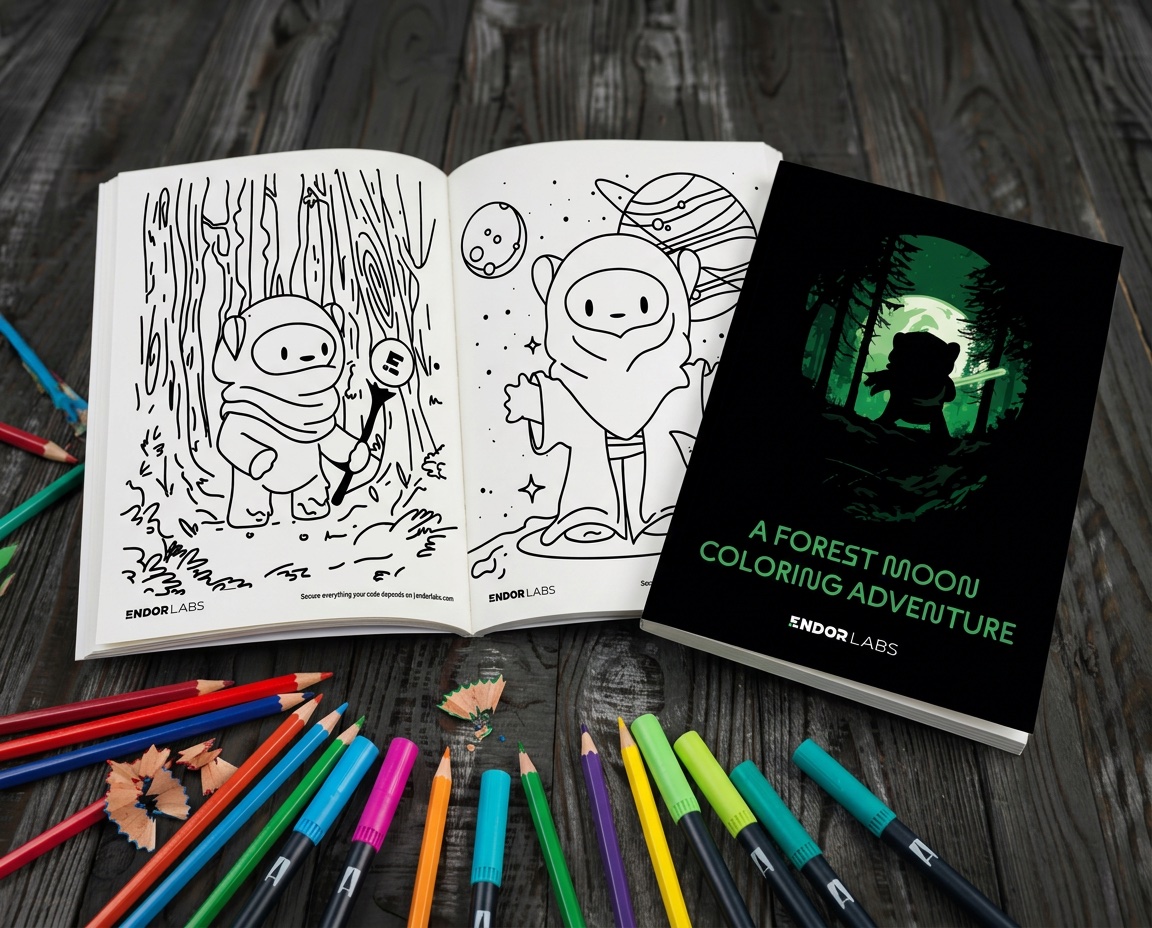
Some briefs end in development rather than selection: a piece sourced, adapted or built from scratch because nothing on a shelf does the job. That is a different supply chain and a different skill, and it is the whole premise of our custom and creative work.
It is a programme, not an order
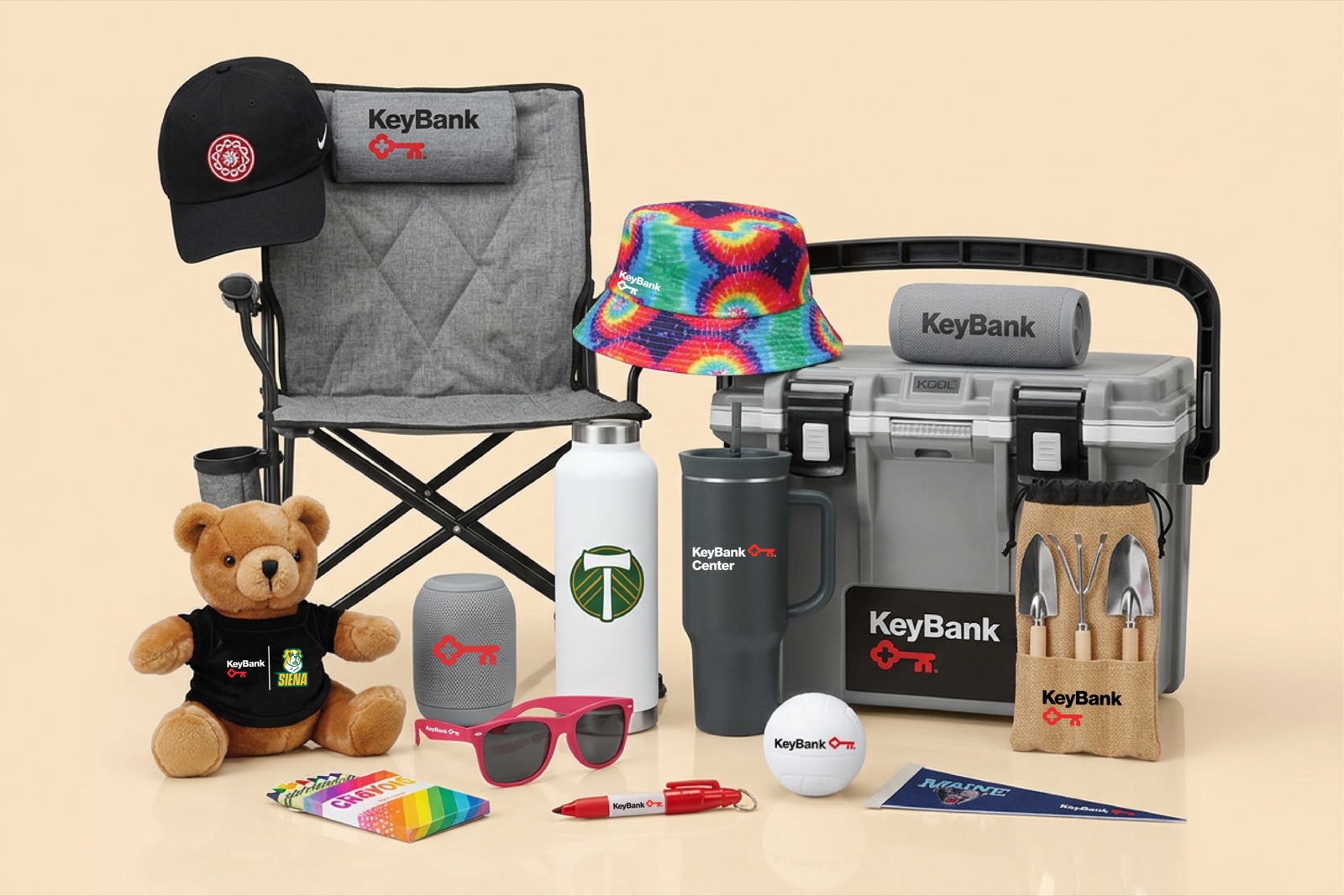
Recurring gear across locations, new-hire kits, an annual event series: these fail on consistency rather than on any single order. Someone has to hold the brand standards, remember what shipped last year and notice when a mill discontinues a colour. Kirsten has followed our founder across three different companies for exactly that reason, roughly 300,000 dollars of cumulative orders, because the relationship carried the standards with it. That is company swag as a programme rather than a purchase.
The event is the product
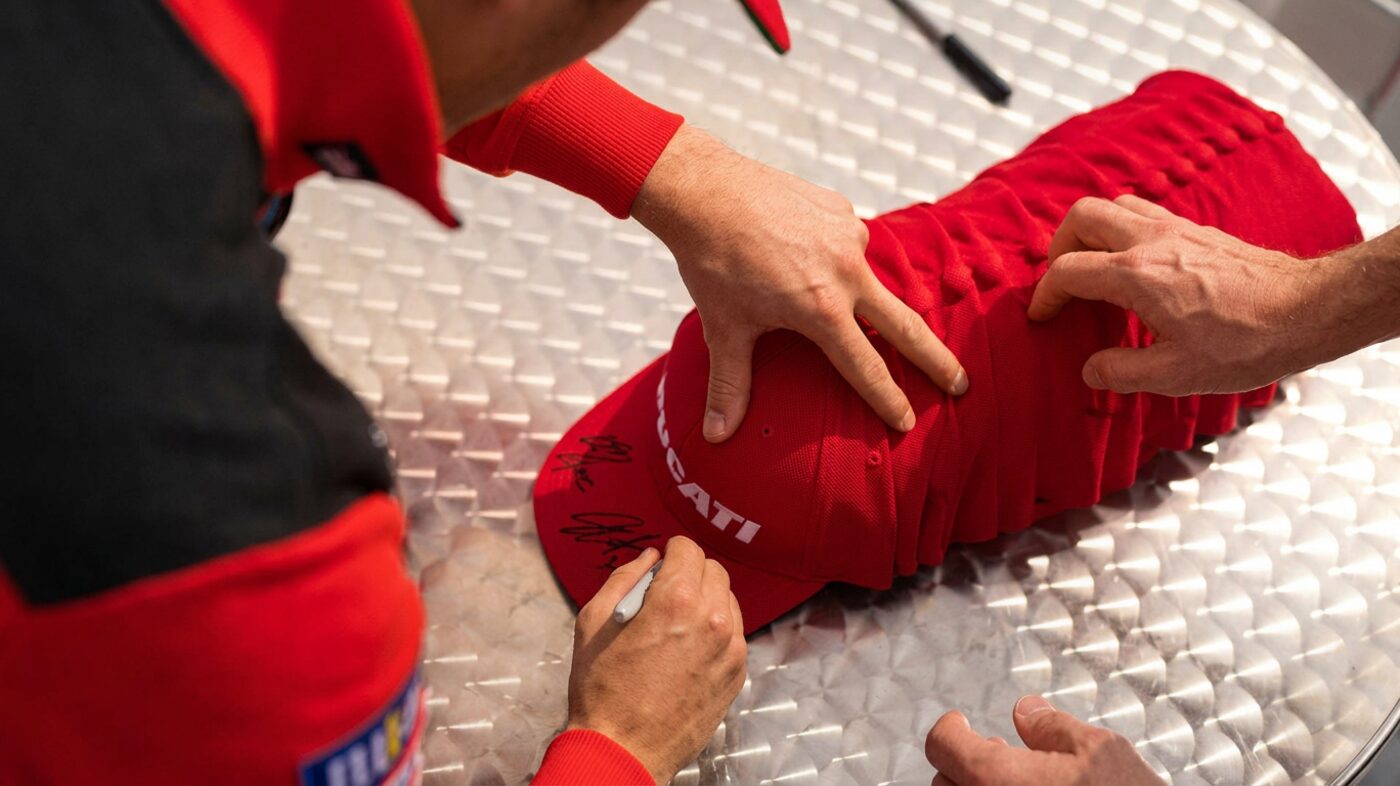
At a live event the merch is one component of a moment that has to work on the day. Someone needs to have seen the room, planned for what people carry, and be reachable when the schedule changes. We were on site at PK Electrical's 30-year celebration in Denver for that reason, and it is the core of how we approach event activations.
Why people come to Kaspo
Most of our clients arrive the same way: a friend, colleague, or business partner who has worked with us sends them over. Usually it happens when the job has outgrown the catalog. The event has a date that cannot move, the product they pictured does not exist yet, or the last order looked better on the screen than it did in the room.
What they find is less a supplier than a second team. We help pick the piece that fits the moment and the budget, watch the imprint quality, and carry the process from concept to delivery so the person who ordered it can get back to the rest of their job. For people who are busy and value their time, that trade is the whole point.
You do not have to choose between creative and turnkey
The unhelpful version of this comparison says catalogs are cheap and boring while agencies are creative and expensive. That is not the real trade, and anyone who has run both knows it. Plenty of catalog orders are excellent decisions. Plenty of "creative" merch is expensive and forgettable.
The question is who is responsible for whether the thing works after it is opened. A catalog is responsible for delivering what you selected. A partner is responsible for whether what you selected was right. Both are legitimate positions, and the mistake is buying one while expecting the other.
For what it is worth, we do both. Roughly nine in ten of our orders are from clients who came back, which mostly happens because the boring executional parts get handled, not because every project is a showpiece.
Questions worth asking any swag vendor
- What happens if it arrives wrong, and who pays to fix it?
- Does anyone physically inspect the product before it ships to me?
- If stock runs short, will you substitute a different item, and will you tell me before you do?
- Who do I call on the day of the event?
- Where is this made, and can you tell me before I commit?
The answers separate vendors more reliably than any price comparison. Substitution in particular is worth pushing on, because a quietly swapped item is the single most common way a swag order goes wrong.
Common questions
What are the alternatives to 4imprint?
Alternatives fall into two groups. Catalog-first distributors such as Vistaprint, CustomInk and Quality Logo Products work the same way 4imprint does: browse an online catalog, pick an item, upload a logo, order. Brief-first partners such as Kaspo work the other way around: they start from the outcome you need and source or build the product to match, including items no catalog carries.
Is 4imprint a good choice for corporate swag?
Yes, for a specific kind of job. If you know the item you want, the quantity is straightforward, and you need it quickly, a catalog is the fastest and simplest route. Catalogs are built for speed and self-service, and 4imprint is very good at that job.
What is the difference between a promotional products distributor and a merch partner?
A distributor sells you products from a catalog. A merch partner starts with a brief: what the moment is, who receives the item, and what you want them to do or feel afterward. The distributor optimises for order accuracy and turnaround. The partner optimises for what happens after the box is opened.
How do I choose a corporate swag vendor?
Start with the job rather than the vendor. If you can name the product, order it from a catalog. If you can name the outcome but not the product, you need someone who will ask questions before quoting. If the programme repeats across locations or years, prioritise the vendor who will still know your brand standards in three years.
What should I ask a swag vendor before ordering?
Ask what happens if the item arrives wrong, who physically checks the product before it ships, whether they will substitute a different item if stock runs short and whether they tell you first, and who you speak to on the day of the event. The answers separate vendors more reliably than a price list does.
Does Kaspo have minimum order quantities?
Minimums depend on the product and the decoration method rather than on a blanket company policy. Custom-developed pieces carry higher minimums than catalog items. The honest answer for a very small one-off order is usually that a catalog will serve you better, and we will say so.
Have an outcome in mind but no idea what the product is? Tell us what you are planning and we will start with the brief, not a catalog. More of our work is on the work page.